Every now and then, a crime drama comes along with an idea so simple that you wonder why nobody thought of it before.
Criminal is one of those.
One interrogation room. One observation room. A corridor. A handful of police officers. A suspect sitting on the other side of the table.
That is practically it.
No bodies discovered in beautiful forests. No car chases through European capitals. No dramatic aerial shots reminding us where we are. No picturesque village waiting to become another character in the story.
And somehow, it is absolutely gripping.
The Setting That Refuses to Become the Star
For a site called Mapped in Drama, Criminal is almost the exception that proves the rule.
I spend so much time noticing locations in television — the streets, the buildings, the landscape, the light — and thinking about what they bring to a story. Criminal does almost the opposite.
It deliberately takes all of that away.
The UK, Spanish, German and French versions all inhabit essentially the same confined interrogation environment. And I absolutely love the discipline of that decision.
There is something wonderful about the people behind the series being confident enough to say: you do not need anything else.
The setting is not going to rescue the episode. The scenery is not going to distract you. If the story does not work, there is nowhere for it to hide.
So everything rests on the writing, the actors, the pauses, the expressions and that tiny shift in power that can happen across an interrogation table without anybody even standing up.
Same Room. Four Completely Different Countries.
Then comes the really clever part.
Instead of taking the concept and simply stretching it into season after season, Criminal crossed borders.
UK.
Spain.
Germany.
France.
Same basic space. Same rules. Completely different people, languages and rhythms.
How genius is that?
Change the country. Change the police team. Change the suspect. Change the language.
Change all those tiny cultural details that affect how people speak to each other, how authority is handled and how emotion is expressed.
But keep the room.
Suddenly that same interrogation table becomes almost like a laboratory. Put different people around it and watch what happens.
The Spanish episodes feel Spanish. The German episodes feel German. The French episodes feel French. The British episodes feel British.
Yet visually they all belong to exactly the same universe.
That consistency is what makes the differences even more interesting.
And I love the fact that the creators did not feel the need to reinvent the whole visual world every time they changed country. They trusted the writing enough to let the stories do the work.
When There Is Nowhere for an Actor to Hide Either
The format also does something rather brutal to its actors.
There are no action sequences to fall back on. Very little movement. No gorgeous backdrop. Often the most important thing happening on screen is somebody thinking.
And that makes the casting fascinating.
There are some wonderfully surprising faces throughout Criminal, but for me one of the biggest shocks was Kunal Nayyar in Criminal: UK.
I was so accustomed to seeing him in a completely different type of role that watching him become genuinely disturbing here was strange — and I loved it.
There is something particularly satisfying about watching an actor you thought you knew suddenly remove everything familiar.
And because Criminal gives him nowhere to escape visually, you have to sit there with him. Watch him. Listen to him.
And slowly reconsider everything you thought you knew about the character sitting across that table.
This Is Exactly Why Original Language Matters
And please, watch every version in its original language.
If ever there were a series where dubbing could take something away, it is this one.
Criminal is built almost entirely around conversation.
Tone matters. Rhythm matters. Silence matters.
The speed at which somebody answers matters.
The slight hesitation before a word matters.
Even the way somebody breathes before deciding whether to lie matters.
The German version should sound German. The Spanish version should sound Spanish. The French version should sound French. The British version should sound British.
Why flatten that?
This is one of those occasions when subtitles are not an inconvenience. They are part of the experience.
And because the setting remains so controlled from country to country, the language becomes one of the strongest ways each version develops its own identity.
Crime Drama Reduced to Its Essentials
Perhaps that is what impressed me most about Criminal.
It strips crime drama down until almost nothing remains.
A room. A crime we rarely see. People telling us what happened.
Other people trying to work out whether they believe them.
And us, sitting somewhere in between.
It should feel theatrical. Sometimes it does.
It should feel repetitive. Strangely, it rarely does.
Instead, that repetition becomes part of the pleasure. Every time we return to that familiar interrogation room, we know the rules — but we have absolutely no idea what the person sitting in the chair is going to do with them.
And this is where I think the concept becomes particularly clever.
Instead of immediately demanding endless seasons from the same country, the idea was allowed to travel.
Four countries. Four languages. Four casts. The same room.
Television is so often obsessed with making successful ideas bigger. Criminal did something much more interesting.
It kept the idea small and changed the people inside it.
Personally, I wish television experimented like this more often.
Not everything needs ten seasons.
Sometimes you find a brilliant idea and, instead of making it bigger, you move it somewhere else and see what changes.
Different country.
Different language.
Different faces.
Same room.
What a fantastic idea.
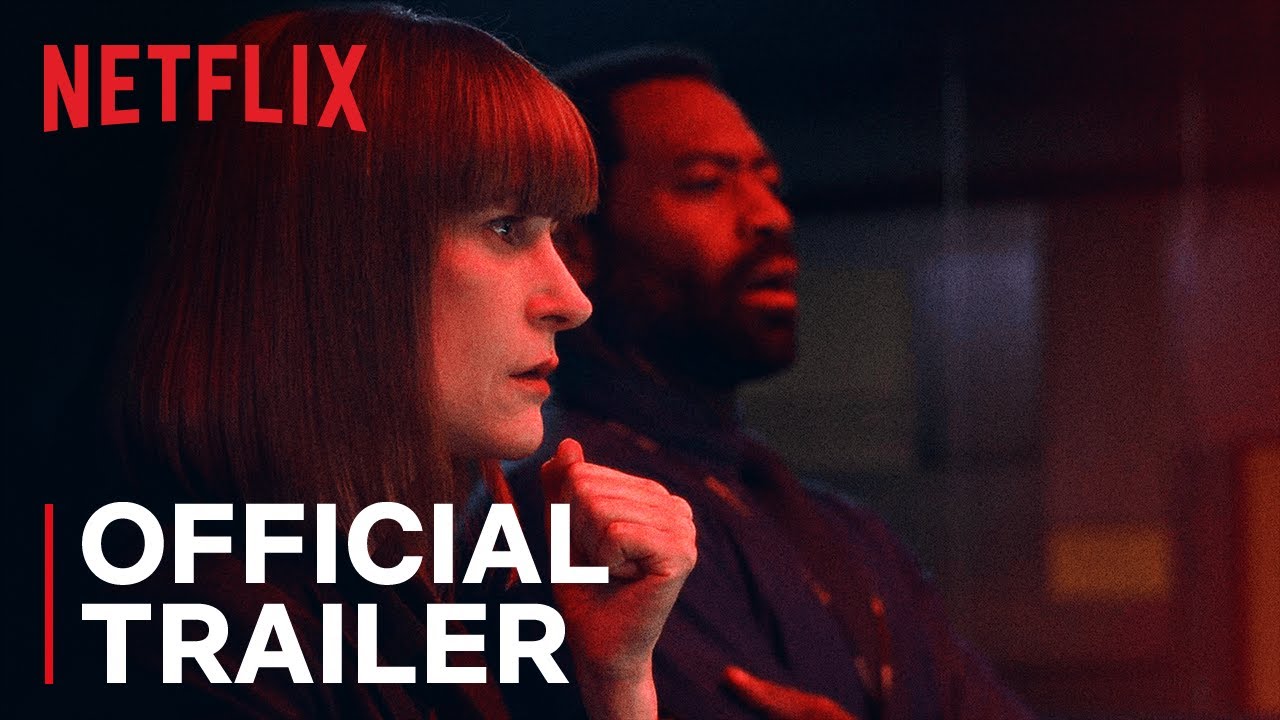
WATCH THE TRAILER BELOW