The Bridge (Bron/Broen): The Detective Who Changed Everything
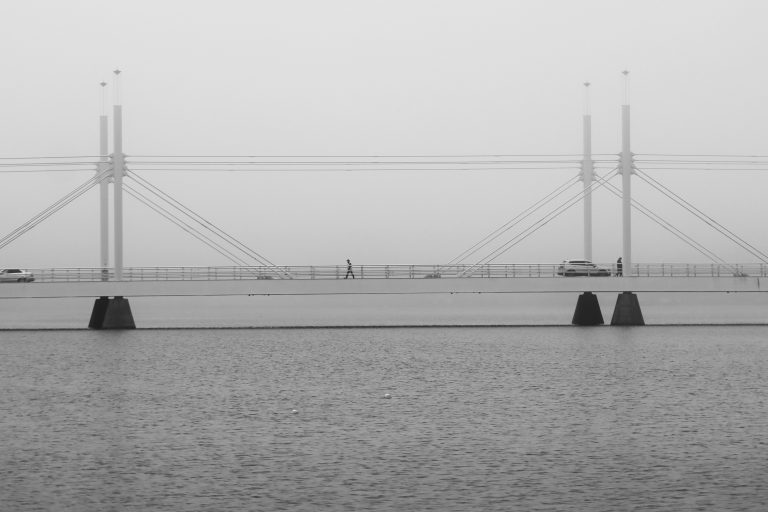
A bridge connected two countries, but it was Saga Norén who changed crime drama forever.

Discovering Europe through television
Discovering Europe through television
A bridge connected two countries, but it was Saga Norén who changed crime drama forever.
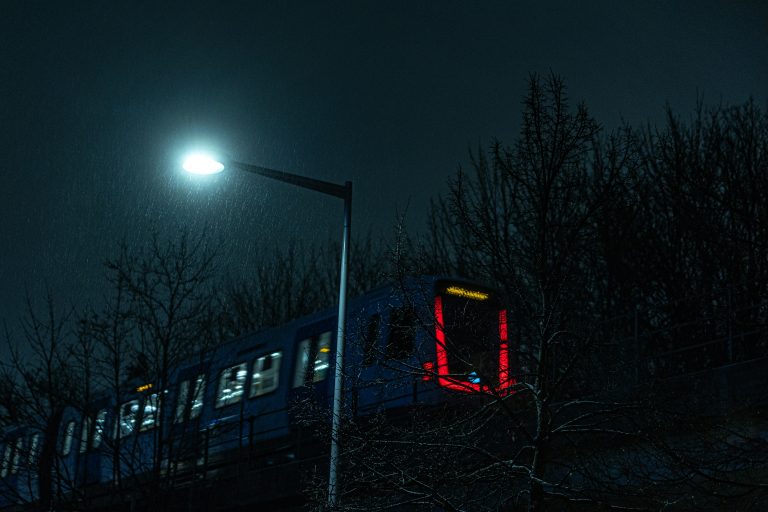
I often describe Nordic noir as a university rather than simply another school of crime drama.
Everything else may have taught us how to solve the crime.
Scandinavia taught us how to feel it.
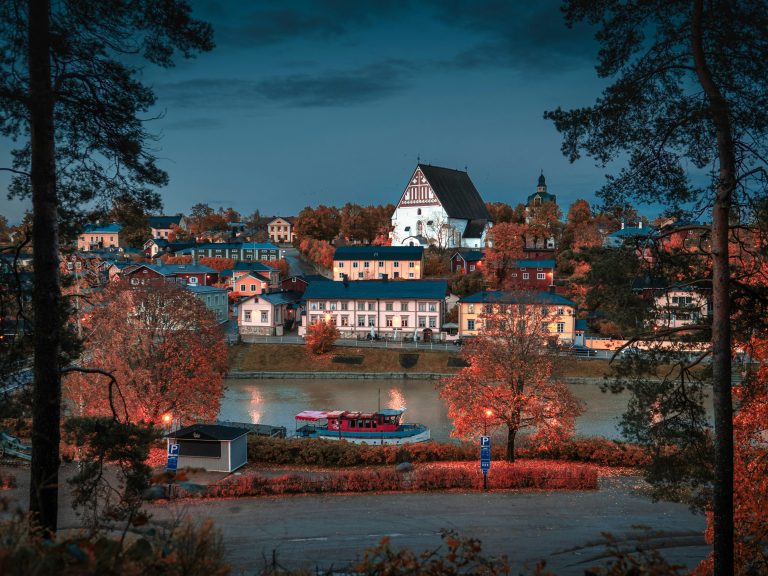
Eight episodes, endless snow and another reminder of why Nordic noir rarely overstays its welcome.

In Iceland, it isn't only the people keeping secrets. The mountains seem determined to keep them too.

Blinded proves that Swedish noir does not always need a body in the forest. Sometimes the crime is money, status, silence, and people in beautiful offices lying very calmly.
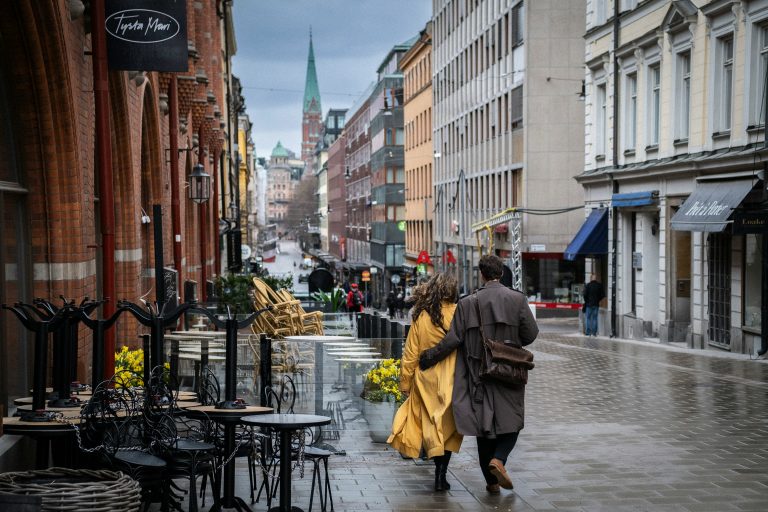
Beck is one of the great Swedish crime institutions: steady, restrained, human, and proof that a detective does not need glamour to become iconic.
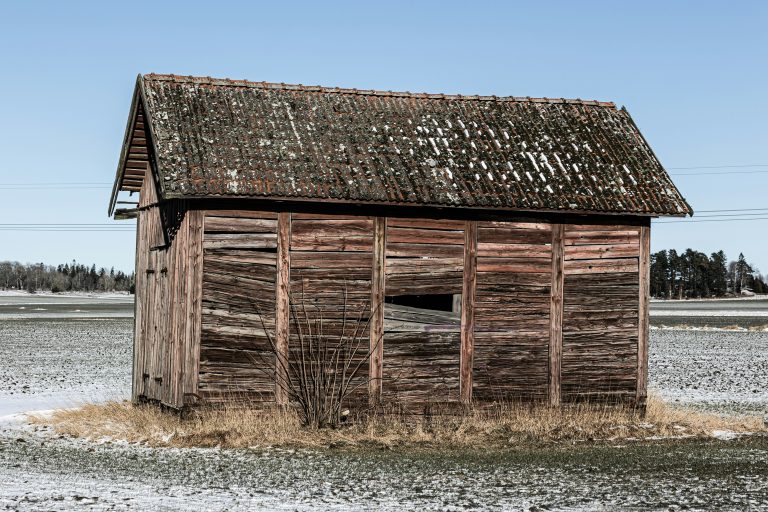
Blackwater is Swedish rural noir at its most haunting — forests, memory, old violence and the terrible patience of secrets.
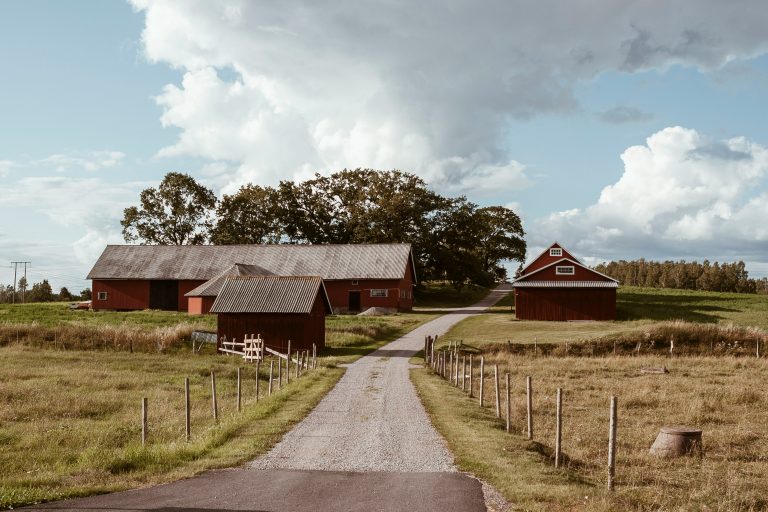
Land of Sin takes Swedish crime into the countryside, where family loyalty, old wounds and local silence become more dangerous than the landscape itself.
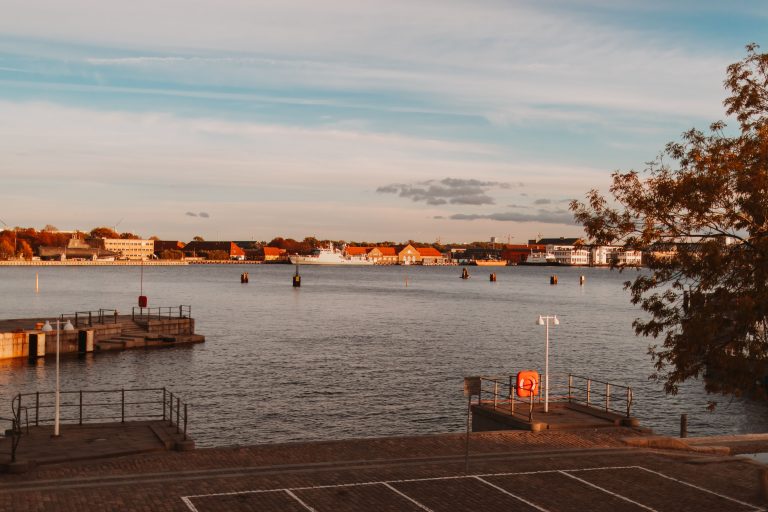
The Sommerdahl Murders brings Nordic crime into a sunnier Danish seaside world, but underneath the coastal beauty there are still bodies, betrayals and complicated people.
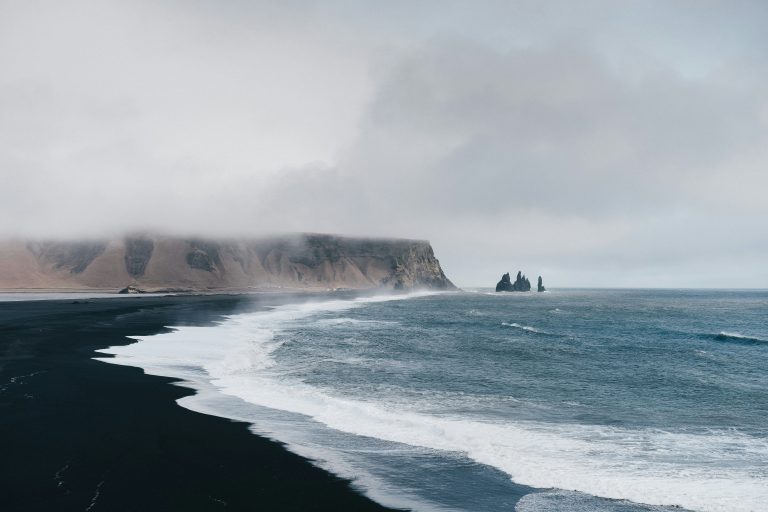
Katla is Nordic noir pushed into volcanic ash, grief and the supernatural — a crime of memory rather than a simple murder mystery.
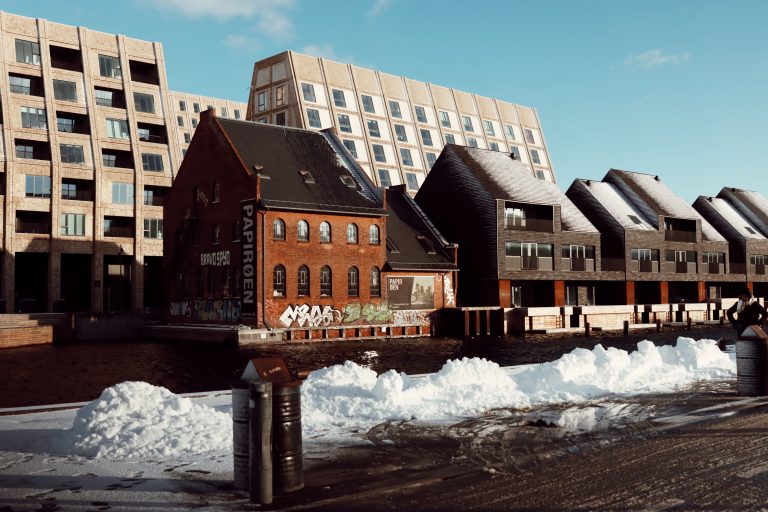
The Chestnut Man takes something childlike and harmless and turns it into one of the creepiest symbols in modern Nordic crime drama.
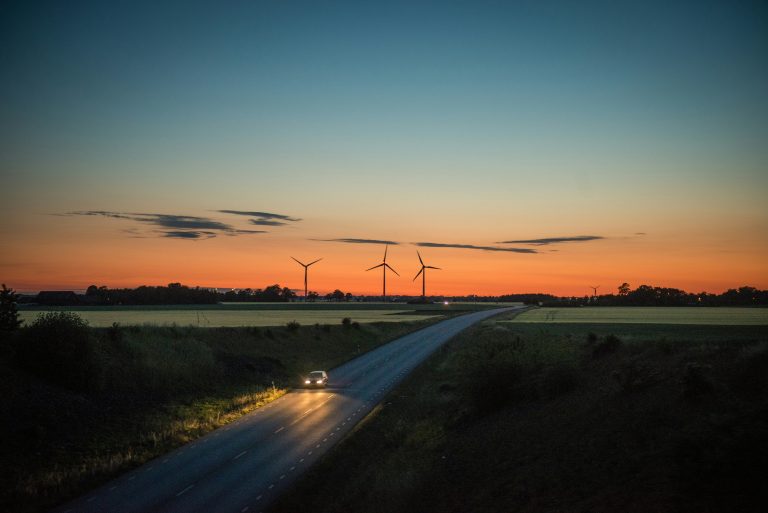
Forbrydelsen is where Nordic noir stopped being just crime television and became a lesson in atmosphere, patience, grief and political rot.

STHLM Requiem gives Stockholm a colder, sharper edge through Fredrika Bergman, a woman whose intelligence makes her useful before everyone is ready to accept her.
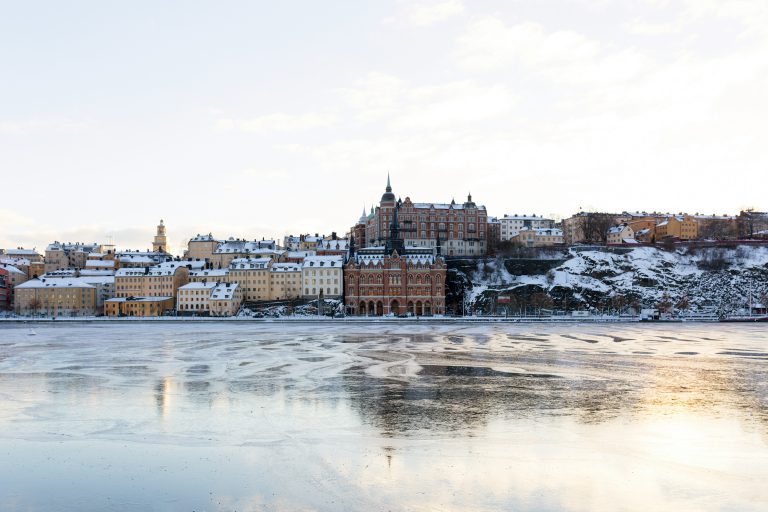
This is where crime television learned to trust the cold. To trust grey skies, long pauses, ordinary kitchens, tired faces, empty roads, snow, rain, bureaucracy, guilt and silence. It showed Europe that a crime drama does not have to run after explosions, glamour or clever one-liners. It can sit with grief. It can look at society. It can ask what kind of country produces this kind of crime.